

The pandemic has left all of us feeling the effects of cabin fever. With fewer options for international travel in the last few years, pandemic-weary Americans desperate for safe travel destinations are flocking to national and state parks in record numbers. While the sudden popularity of national parks is great for generating awareness and support for these amazing places, the parks and the surrounding towns are suffering. In 2022, the most important thing we can do to help preserve and protect these spectacular landscapes is to follow sustainable travel practices.
National parks are suffering after record visitor numbers in 2021.
Anyone paying attention heard the buzz about crowded national parks last summer. Images of overflowing parking lots and long lines at entrance gates was all over the news during the summer travel season. Yellowstone reported 1 million monthly visitors in July alone – the first time monthly visitors to Yellowstone has ever exceeded a million. Nearby Grand Teton National Park saw a 20% increase in June 2021 over visitor numbers from June 2019 and Zion saw an 18% increase. (CNBC) Suffice it to say, national parks have never been as popular as they were in 2021.
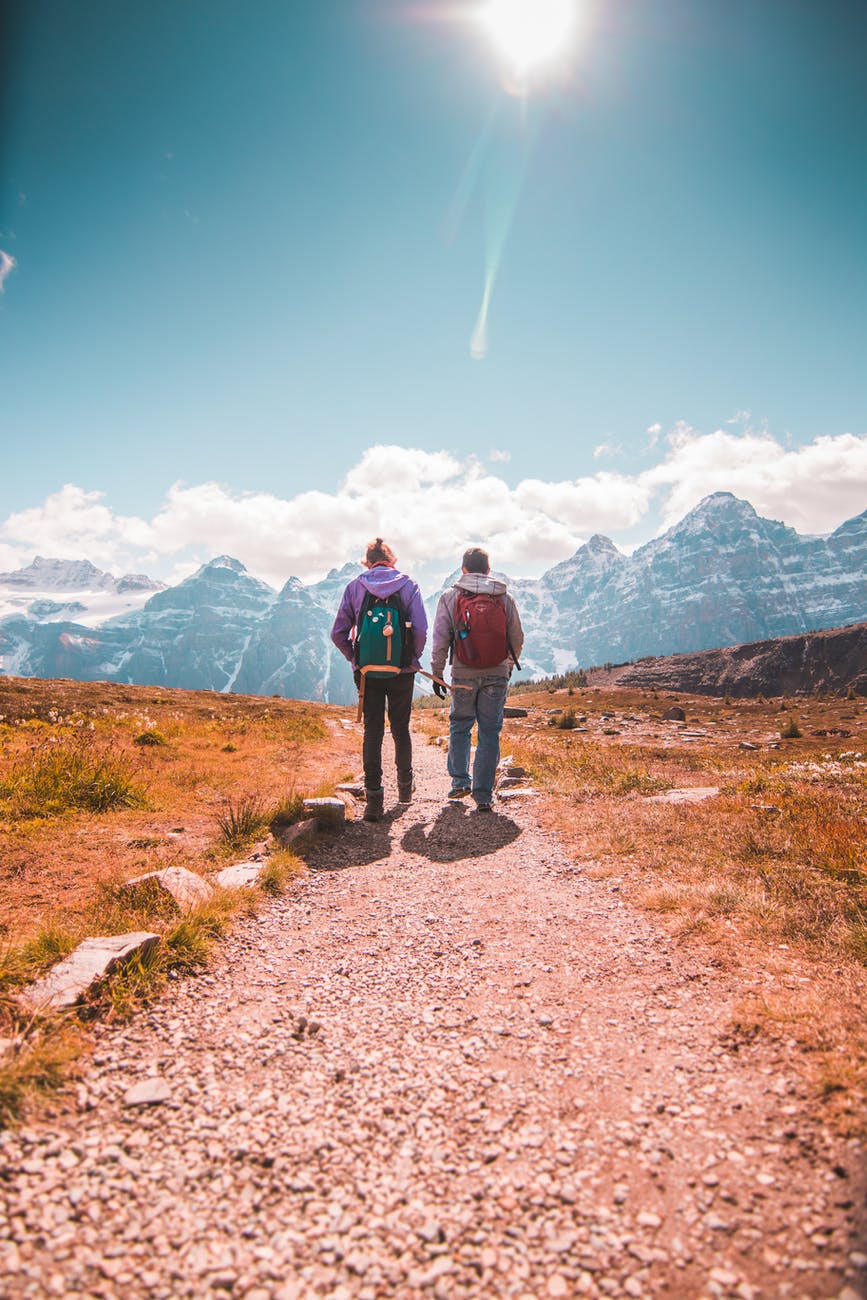
And for all intents and purposes, the big numbers should be encouraging: more people were wanting to visit and appreciate the beauty and wonder that the National Park System promised. Surely, this influx of visitors would mean an increase in support for the parks at a time when conservatives had been trying to chip away at protected public land.
Whether or not it ultimately leads to increased support for public lands, the surge of visitors did create very real problems for the parks and those living and working in and around them. Overflowing parking lots and trash cans have become a reality for visitors and staff and reports indicate higher rates of vandalism at national parks this year. In general, park resources and local infrastructure in the surrounding areas are being stretched thin, and officials expect 2022 to be no different. Many parks are already implementing lottery and reservation systems for their most popular landmarks.
sustainable travel practices help to minimize effects on parks
Overcrowding doesn’t just affect national parks. It has been a major issue that travel bloggers and avid wanderlusters around the world have been warning us about for years. And because of this overcrowding, sustainable travel practices are more important in 2022 than they have ever been. We cannot rely solely on the lottery and reservation systems that the National Park Service is implementing to protect these places.
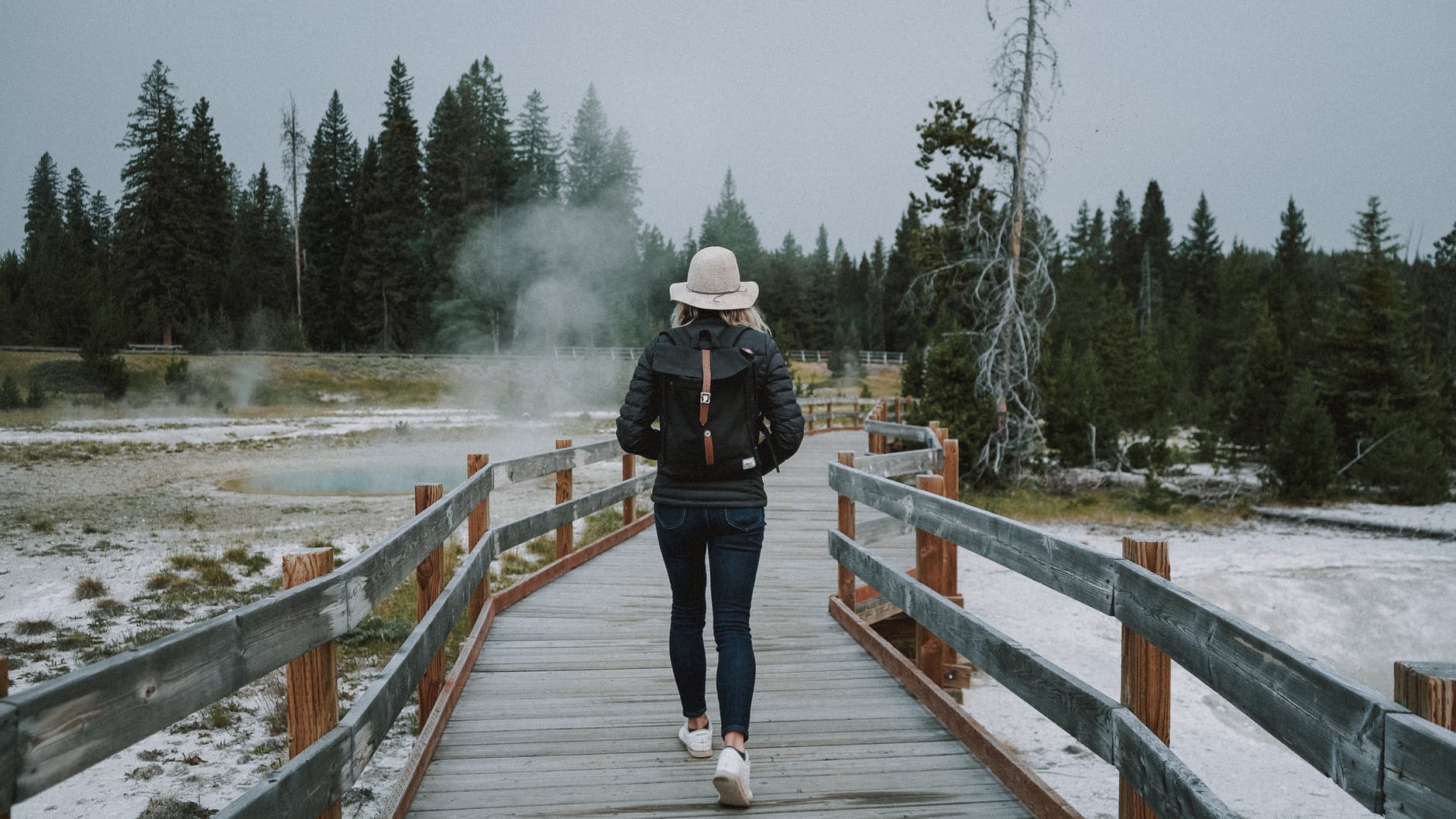
Simply put, sustainable travel practices encourage tourism that can be maintained long-term without harming the natural and cultural environment. The World Tourism Organization defines sustainable travel as “tourism that takes full account of its current and future economic, social and environmental impacts, addressing the needs of visitors, the industry, the environment and host communities.”
It’s about valuing the places you visit, plain and simple. It’s about being cognizant of the negative effects your trip inherently will have on the local community and environment and doing your best to mitigate them. And more broadly, it’s about the tourism industry as a whole shifting to a less exploitative model of business that works, not only for tourists and the tourism industry, but also for the local culture and environment.
the three pillars of sustainability
Sustainability hinges on three main things, called the Three Pillars of Sustainability.
The Environmental Pillar focuses on reducing our environmental impact when we travel. This includes reducing our carbon footprint, minimizing water usage, disposing of waste correctly, and avoiding animal disturbances.
The Social Pillar is about supporting the communities that live in and around these tourist meccas. Supporting businesses that employ locals and organizations working to improve the local community are both ways to support these communities.
The Economic Pillar in this case refers to monetarily supporting local communities. Use your money to positively support the local community, whether by shopping local or using local tour guides and other locally based services.
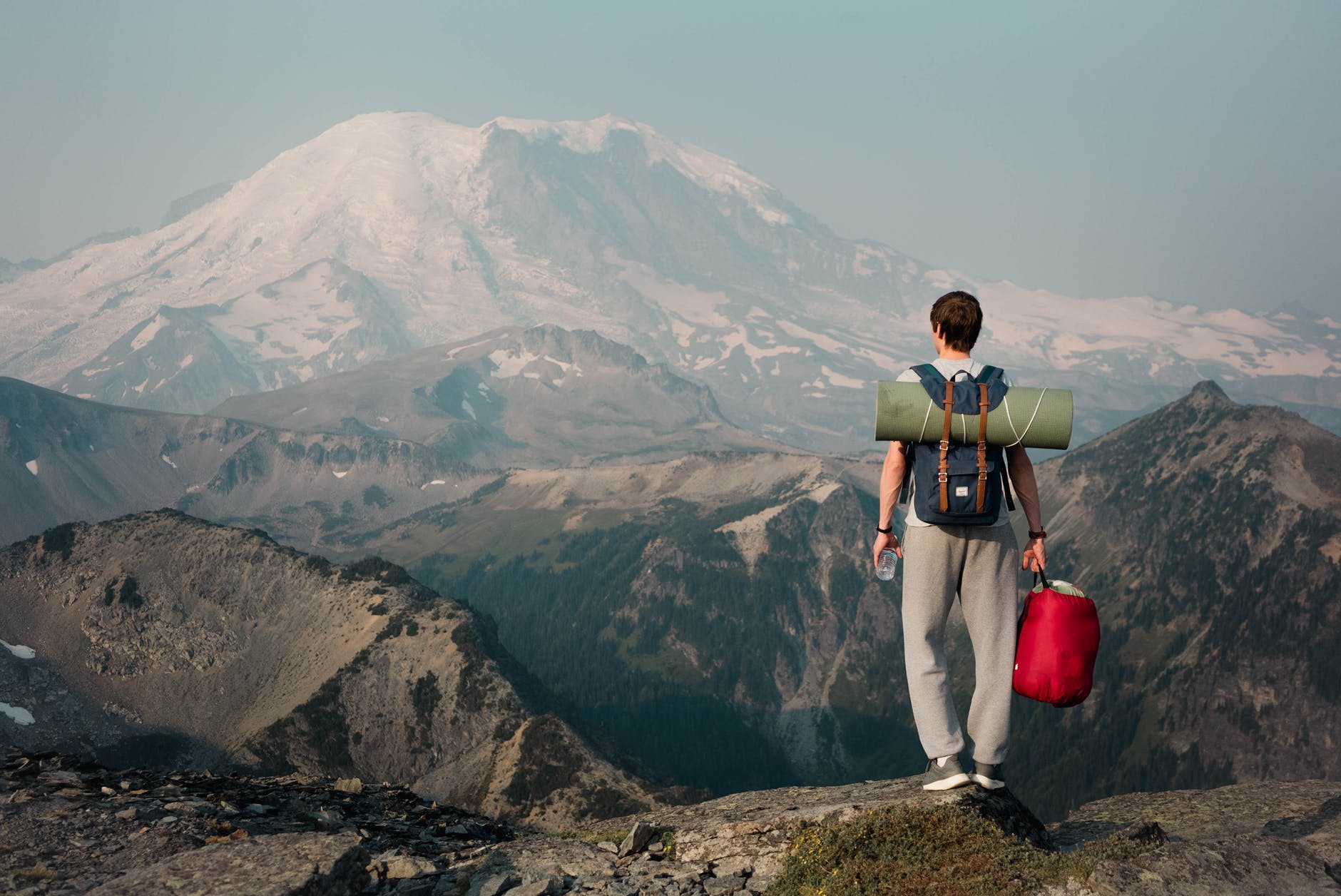
10 ways to practice sustainable travel
- Visit during the off season – many places are particularly crowded during the summer. If you can find a way to visit during non-peak months, you’ll enjoy your experience more and avoid contributing to overcrowding
- Don’t litter – this one’s easy. Throw your trash in the trash can where it belongs. If the can is over flowing, find another one. Don’t just contribute to the problem.
- Practice Leave No Trace principles when hiking in national parks.
- Eat at locally owned restaurants and stay at locally owned hotels. Alternatively, book an Airbnb to help support a local resident.
- Tip well – Living in the towns around national parks is often extremely expensive. Help a local pay their rent with a little extra on the tip after your next meal or drink.
- Book with local tourism companies – there’s always some adventure to be had in the national parks. Look for locally owned tourism companies and guides to help you find it!
- Volunteer – find out what local organizations are having volunteer days while you’re visiting and spend a few hours giving back to your host community.
- Travel slowly – if you have the option, try out slow travel. Slow travel refers to spending several months to a few years living in one place and exploring the surrounding area and then moving on to the next destination. This gives you more opportunity to really explore a place and often makes you more invested in protecting and supporting local people and environments.
- Shop at businesses that employ locals and pay them fairly – look for living wage certification stickers in shop windows or on door as you enter.
- Practice Sustainable Social Media Usage – don’t use specific geo-tags when posting photos on social media as this has the unintended effect of bringing more visitors to these places that cannot handle it. Additionally, encourage sustainable travel on your social media accounts whenever you do share photos from your trips.
There are thousands of ways to practice sustainable travel, depending on the nature of your trip and your destination. But being purposeful and methodical in our approach to planning our next adventure will help preserve the beauty and majesty of the National Park System for all to enjoy.
 Parker Outside